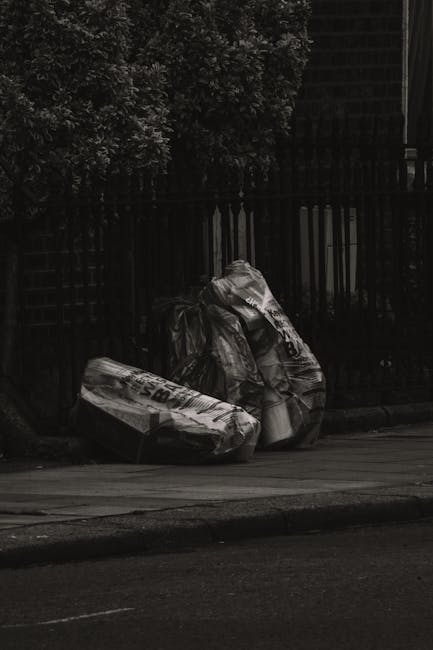
Insider tips for bulky rubbish pickup on Westbourne Grove

If you have ever tried to move a battered wardrobe down a narrow stairwell, or realised at 7pm that the broken sofa will not fit in the lift, you will know the feeling: bulky rubbish has a way of becoming urgent very quickly. The good news is that bulky rubbish pickup on Westbourne Grove does not need to turn into a messy, stressful half-day project. With the right planning, a sensible approach to access, and a few local know-how tricks, you can make the whole job much smoother.
This guide pulls together the practical details people usually wish they had known sooner. We will look at how bulky waste collection and private clearance actually work, what to prepare before anyone arrives, which mistakes cost time, and how to choose the right method for your situation. If you are clearing a flat, dealing with old furniture, or trying to shift mixed household waste without upsetting neighbours, this is for you.
And yes, there are a few insider details that make a real difference. Not glamorous, maybe. Useful? Absolutely.
Why Insider tips for bulky rubbish pickup on Westbourne Grove Matters
Westbourne Grove is busy, built-up, and not especially forgiving when it comes to logistics. That matters because bulky rubbish is rarely just "rubbish". It is often a mix of old furniture, broken appliances, awkward flat-pack carcasses, bags of random bits from a clear-out, and items that need careful lifting rather than a quick drag to the kerb.
In a street like this, the details count. Where will the van stop? Is there enough room to bring items out safely? Will a lift be free at the right time? Do you need the load gone before a landlord inspection, end-of-tenancy handover, or building work starts first thing Monday? These are the questions that decide whether the job feels easy or chaotic.
There is also the simple fact that bulky waste often becomes a problem once it starts blocking hallways, cluttering living space, or waiting in a communal area. In real life, a single wardrobe or mattress can dominate a small London flat. The room starts to feel smaller, the job feels bigger, and you end up stepping around the thing for days. Not ideal.
Getting the process right also helps you avoid damage. Doors get chipped. Banisters get scraped. Hall walls get marked. If you have ever watched two people wrestle a heavy item through a tight turn, you know exactly how fast that can happen. A proper plan is not overkill. It is the difference between a tidy exit and a headache.
How Insider tips for bulky rubbish pickup on Westbourne Grove Works
At a high level, bulky rubbish pickup is straightforward: you identify what needs removing, choose a collection method, prepare access, and have the items taken away for sorting, reuse, recycling, or disposal. The real-world version has a few more moving parts.
First comes the assessment. Some items are easy to quote because they are obvious and standard, such as a sofa, mattress, or a handful of cupboards. Other jobs are trickier because they include mixed waste, dismantling, or items in hard-to-reach spaces. A loft full of old belongings is not the same as one broken fridge at street level. Obvious, but worth saying.
Then there is access. On Westbourne Grove, access can be the main event. A top-floor flat with no lift, tight staircases, timed parking, or a shared entrance changes the whole rhythm of the pickup. Good operators plan for that. Better ones ask the awkward questions early, which saves everyone time later.
Finally, there is the sorting stage. A decent service will separate reusable items, recyclables, and genuine waste where possible. That approach supports a cleaner result and often reduces what ends up in landfill. If sustainability matters to you, you may want to read the company's recycling and sustainability approach and the practical guidance on waste removal.
For bigger household jobs, especially if the item mix keeps growing, services such as home clearance, house clearance, or even flat clearance may be more sensible than trying to piece together multiple small pickups.
Key Benefits and Practical Advantages
The biggest benefit is simple: you get your space back. But there is more to it than that.
- Less disruption: one planned pickup is easier than several ad hoc trips to the pavement.
- Safer handling: heavy items are moved by people who know how to do it without wrecking walls, floors, or backs.
- Better sorting: mixed loads can be separated properly, which helps with recycling and reuse.
- Time savings: you avoid hiring a van, finding helpers, and wrestling with logistics.
- Cleaner finish: the room, hallway, or property is left ready for the next stage, whether that is letting, decorating, or moving.
There is also a practical commercial benefit if you are a landlord, agent, or small business owner. A prompt bulky rubbish pickup on Westbourne Grove can keep turnover moving. That matters when a flat needs to be readied for viewings, or an office needs old furniture out before new deliveries arrive. If your waste is tied to work or premises rather than home use, business waste removal is often the cleaner route.
One more thing people overlook: a good pickup can reduce stress for everyone else in the building. Neighbours notice when stairwells are kept clear and nothing is left sitting around for days. That small courtesy goes a long way, especially in shared blocks.
Who This Is For and When It Makes Sense
This kind of pickup suits a wider range of people than you might think. It is not only for major house moves or end-of-tenancy clear-outs.
You may benefit if you are:
- replacing furniture and need the old pieces gone the same day;
- clearing a flat after a move, renovation, or change in occupancy;
- sorting a loft, garage, or storage area that has quietly filled up over the years;
- dealing with a one-off bulky item that council collection may not handle quickly;
- removing office furniture, filing cabinets, or equipment from a work premises;
- trying to clear mixed household waste after builders or decorators have finished.
It also makes sense when the item is simply awkward. A wardrobe can be dismantled, yes, but sometimes the labour involved is more hassle than the item is worth. Same with a sagging sofa, a broken appliance, or a mattress that has been hanging around longer than anyone wants to admit.
If the job involves a single item with a clear disposal route, you might only need a specialist solution such as mattress and sofa disposal, furniture disposal, or fridge and appliance removal. If the space is fuller and messier, broader services such as loft clearance or garage clearance may be the better fit.
Step-by-Step Guidance
If you want the process to run smoothly, treat it like a small project. Not a drama. Just a project.
- List every item. Walk through the space and note what is going, what may be dismantled, and what definitely stays. Be honest here. A job described as "two chairs" can become "two chairs, a coffee table, two bags, and a mystery pile" very quickly.
- Check access. Measure doorways if the item is oversized. Note stairs, lifts, loading restrictions, and any parking pinch points. If there is a tight turn on the second floor landing, say so early.
- Separate special items. Put aside anything that could require extra handling, such as appliances, sharps, confidential paper, or potentially hazardous materials. For sensitive paperwork, confidential shredding is worth considering. For risky materials, review hazardous waste disposal.
- Dismantle when it helps. Some items are easier and safer in sections. Flat-pack wardrobes, bed frames, and shelving often move better once broken down.
- Clear a route. Remove loose rugs, ornaments, bins, and anything else that could trip someone or catch on corners. This sounds obvious. Still, people forget it all the time.
- Book with realistic timing. Leave enough room for traffic, parking, and access delays. On a street with regular movement and tight spaces, a five-minute delay can become twenty.
- Confirm payment and expectations. Know what is included, how the load is assessed, and what happens if the volume changes on arrival. That simple conversation avoids awkwardness later.
If the job is part of a larger property project, it can help to align it with other work. For example, many people book bulky rubbish pickup just before decorators arrive, or just after builders finish and before the final clean. That small bit of sequencing makes the whole place feel calmer.
Expert Tips for Better Results
Here is where the insider part really matters.
Tip 1: Put the hardest item near the exit first. It is easier to plan a route around one awkward sofa than to keep dragging it through the flat while other items are still in the way. When the biggest object is staged well, everything else feels easier.
Tip 2: Take photos before collection. A quick set of pictures helps with quoting and avoids misunderstanding. You do not need magazine-quality shots. Just clear, honest images of the items and access points.
Tip 3: Separate reusable pieces. Sometimes a bulky item is not rubbish in the strict sense. A sturdy table, a serviceable chair, or a decent chest of drawers may be better kept aside for reuse, donation, or sale. That is not always practical, but when it is, it is worth doing.
Tip 4: Be careful with lift bookings and concierge windows. If your block requires prior notice for move times, deal with that early. The best pickup in the world still falls apart if no one can get in the building. Annoying, but true.
Tip 5: Avoid overfilling communal areas. It may be tempting to stage everything in the corridor, but that can create access and fire-safety issues. Keep the route clear and stack items neatly if they must wait briefly.
Tip 6: Ask what happens to different material types. Mixed loads are common. You may have furniture, textiles, hard plastics, and a few electricals in the same job. Knowing how they are sorted helps you judge the service more clearly.
Tip 7: Check whether the provider can manage specific items. Some pieces need specialist handling. For example, one-off large items like white goods may be best handled through dedicated removal routes, while furniture-heavy jobs may sit better with furniture clearance.
The little wins add up. A well-labelled pile, a cleared pathway, and a realistic schedule can shave real time off the job. And if you have ever tried to move a mattress around a narrow turn at 8am, you will appreciate every minute saved.
Common Mistakes to Avoid
Most bulky waste jobs go wrong in predictable ways. The good news is that they are easy to avoid once you know what to watch for.
- Underestimating volume: loads expand fast when you start clearing cupboards, shelves, and corners.
- Ignoring access: a nice clean quote means very little if the vehicle cannot stop nearby or the item will not fit through the stairwell.
- Leaving it too late: the day before a move is not the best moment to discover a sofa will not fit downstairs.
- Mixing special waste with general rubbish: keep hazardous or sensitive items separate so they can be handled properly.
- Blocking entrances: this can slow the job and create avoidable risk.
- Assuming all services are the same: some are better for single items, some for full property clearances, and some for trade or office loads.
Another common slip is not asking enough questions. If you are unsure whether an item counts as standard furniture, appliance waste, or something more specialised, ask before collection day. Better a slightly longer phone call than a stalled pickup and a pile of confusion in the hallway.
Tools, Resources and Recommendations
You do not need much to prepare well, but a few simple tools help more than people expect.
- Measuring tape: useful for doorways, stair turns, and oversized furniture.
- Marker or tape labels: helpful for separating what is going and what is staying.
- Basic screwdriver set: handy for removing bed slats, table legs, or shelving.
- Work gloves: useful for protecting hands from splinters, sharp edges, or dusty surfaces.
- Phone camera: ideal for documenting the load and access points before the collection.
- Bin bags or tubs for loose items: keeps small bits from scattering all over the place.
For a broader property clear-out, it can also help to review service pages that match the type of waste you actually have. A loft crammed with mixed belongings is different from a room full of office furniture. If you are unsure where your job fits, the pages on house clearance and office clearance are useful starting points. For trade-related waste, builders waste clearance may be more suitable.
And if you are comparing prices, do not focus only on the headline number. Ask what is included, whether labour is covered, and how access issues are handled. That is usually where the real value sits.
Law, Compliance, Standards, or Best Practice
Bulky rubbish pickup sits within a wider UK waste-handling framework, and while you do not need to become a legal expert just to clear a flat, a few basics matter.
First, waste should be handled by people and businesses that operate responsibly and in line with accepted UK practice. If an item is taken away, it should be managed properly afterward rather than disappearing into a vague grey area. That is especially important for electrical items, appliances, and anything that may contain harmful components.
Second, some materials need special care. This includes hazardous waste, certain electrical items, and anything that could pose a health and safety issue during lifting, transport, or sorting. If you are unsure whether something counts as hazardous, it is safer to pause and ask than to guess. That sounds cautious because, well, it is.
Third, shared buildings often have practical rules of their own: access times, lift reservations, common area protection, and quiet-hour considerations. These are not just formalities. In a busy London block, a smooth pickup often depends on respecting the building's procedures as much as the waste itself.
If you want to understand a provider's approach to safety and operational standards, the pages on health and safety policy and insurance and safety can offer useful reassurance. Payment and booking confidence matter too, so it is sensible to review payment and security and terms and conditions before you commit.
Best practice is really just a combination of care, clarity, and documentation. Clear the route. Describe the load honestly. Separate special items. Keep a record if needed. Simple, but effective.
Options, Methods, or Comparison Table
There is more than one way to deal with bulky rubbish, and the right option depends on volume, urgency, access, and item type. Here is a straightforward comparison.
| Method | Best for | Strengths | Limitations |
|---|---|---|---|
| Bulky rubbish pickup | Single items or mixed small-to-medium loads | Quick, convenient, minimal effort for the customer | Needs clear access and accurate load description |
| Full clearance service | Flats, houses, lofts, garages, offices | Handles more items in one visit, good for larger jobs | May be more than needed for one item |
| Skip hire | Ongoing DIY or renovation waste | Useful if you will fill waste over time | Requires space, permits may be needed, and loading is your job |
| Self-managed removal | Very small loads and easy access | Can suit straightforward, low-volume jobs | Time-consuming, physical, and often harder in tight urban settings |
If you are weighing up skip hire versus collection, it is worth looking at what can go in a skip. That page is useful because some people assume all bulky waste can be mixed in the same way. Not quite.
For many Westbourne Grove properties, the middle ground wins. A booked pickup is often simpler than skip hire, especially where parking is tight and there is not much spare outside space. Truth be told, that is one reason many people choose professional collection rather than trying to manage everything themselves.
Case Study or Real-World Example
Here is a realistic example, based on the kind of job that comes up all the time.
A resident in a Westbourne Grove flat had an old three-seater sofa, a dismantled wardrobe, two broken dining chairs, a chest of drawers, and a small pile of mixed household items from a recent clear-out. The flat was on an upper floor, the lift was narrow, and the building had a shared entrance that was busiest in the late morning.
Instead of waiting until the day before a rental changeover, the resident did three things early: measured the largest item, took photos of the route, and separated a bag of smaller mixed items from the furniture. They also checked whether the sofa could be handled through the front door without damaging the wall corner, which was the sort of detail that saves everyone a bit of bother.
On the collection day, the items were staged in a clear sequence: smaller pieces first, sofa last. The route stayed open, the hallway stayed tidy, and the job was finished in one visit. No dragging items back and forth. No last-minute "actually, one more thing". Just done.
The useful lesson? Preparation matters more than most people expect. The pickup itself may only take a short while, but the quality of the prep decides whether it feels calm or chaotic. In our experience, that is usually the whole story.
Practical Checklist
Use this quick checklist before booking bulky rubbish pickup on Westbourne Grove:
- List every item that needs removing.
- Confirm whether any items need dismantling.
- Measure doorways, stairs, and lifts if the item is large.
- Check for parking or loading restrictions.
- Separate hazardous, confidential, or specialist items.
- Clear the route from the item to the exit.
- Take a few photos for accuracy.
- Decide whether a single-item pickup or a wider clearance is better.
- Review pricing, payment, and terms before booking.
- Choose a time that avoids building bottlenecks and busy access windows.
If you have more than a couple of items, it can also help to think a step ahead. Will there be another load next week? Are you clearing a loft now and a garage later? If so, a broader service may be the cleaner solution from the start rather than a series of rushed one-offs.
Conclusion
Bulky rubbish pickup on Westbourne Grove is easiest when you treat it as a planning exercise, not a last-minute rescue mission. Know your items, understand the access, separate anything special, and choose the right type of service for the load in front of you. That approach saves time, protects the property, and makes the whole process feel far more manageable.
Whether you are clearing one awkward sofa or sorting a full flat, the real insider tip is simple: prepare the job properly and you will feel the difference immediately. Less stress. Fewer surprises. A much tidier end result.
For straightforward help with bigger household or furniture jobs, explore furniture clearance, home clearance, or book online when you are ready to get the process moving. If you want a quick overview of the company behind the service, the about us page is also a useful place to start.
Get a free quote today and see how much you can save.
Frequently Asked Questions
What counts as bulky rubbish on Westbourne Grove?
Bulky rubbish usually means items too large, awkward, or heavy for normal household waste collection. That often includes furniture, mattresses, appliances, shelving, wardrobes, and mixed household items from a clear-out.
Is bulky rubbish pickup better than skip hire?
It depends on the job. Pickup is usually better for one-off collections, awkward items, and places with limited outdoor space. Skip hire can suit ongoing renovation waste, but it needs room and loading is your responsibility.
Can I put a sofa or mattress out for collection by myself?
You can stage it for collection, but it is best to make sure the route is clear and the item is not blocking shared access. Some items are easier and safer if they are handled by people used to moving large furniture.
How do I know if an item needs special disposal?
If the item is electrical, potentially hazardous, broken in a way that creates sharp edges, or contains confidential material, it may need separate handling. When in doubt, ask before collection day.
What should I do before the pickup arrives?
Clear the route, separate items, take photos, and make sure access is available. If the building has rules about lifts, parking, or arrival times, sort those out early.
Can bulky rubbish pickup handle mixed waste?
Often, yes. Many collections can handle a mix of furniture, household junk, and other non-hazardous items. The key is to describe the load accurately so the right plan can be made.
Do I need to dismantle furniture first?
Not always, but it can help a lot. Dismantled items are easier to move through narrow corridors and stairways, and they often reduce the risk of accidental damage.
What happens to the waste after collection?
That depends on the type of item and the provider's process. Good operators aim to sort items for reuse, recycling, or proper disposal rather than treating everything as general waste.
Is bulky rubbish pickup suitable for flats?
Yes, especially in London where access can be tight. Flats are one of the most common reasons people book this kind of service, because getting items down stairs and out of the building can be the hardest part.
How far in advance should I book?
As early as you reasonably can, especially if you need a specific time slot or if the building has access restrictions. Even a little lead time can make the job much easier.
Will the collection team carry items from inside the property?
Usually, yes, but this depends on the service and the access details you give when booking. It is always better to confirm that point rather than assume.
Where can I find more guidance on related services?
If your load is mostly furniture, look at mattress and sofa disposal or furniture disposal. For larger property jobs, house clearance and flat clearance are often more appropriate.