
Flat Clearance Notting Hill — Recycling and Sustainability Commitment
At Flat Clearance Notting Hill we believe that every removal and clearance can be part of an eco-friendly waste disposal area solution for the local community. Our approach to a sustainable rubbish area goes beyond simply collecting waste: we prioritise reuse, careful segregation and low-carbon logistics so that flats in Notting Hill benefit from a cleaner neighbourhood and reduced landfill impact. This page explains our targets, partnerships and practical processes that make us a model for green flat clearance in Notting Hill and surrounding boroughs.We set an ambitious recycling percentage target for each job to drive continuous improvement. Our standard aim is a 75% diversion rate from landfill — that is, at least 75% of cleared materials should be recycled, reused or recovered where possible. That target applies across household clearances, sofa and mattress removal, and general flat removal Notting Hill services, and is monitored by job reporting so we can refine routes and redistribution channels.
How we build an eco-conscious clearance process
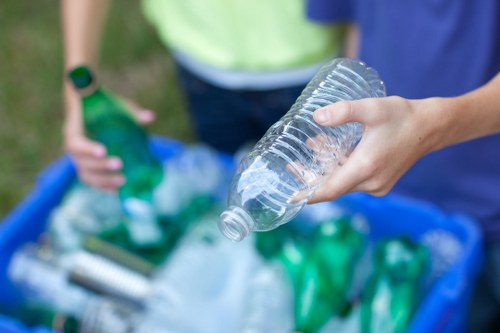
Our crews are trained in the boroughs' approach to waste separation: light mention of separating food & garden waste, paper & card, glass, metal and mixed recyclables follows local guidance. We apply a three-stream mindset at source during clearances: reusable items set aside for donation, recyclable materials consolidated for transfer, and only genuine residual rubbish sent for energy recovery. This practical adherence to local separation rules reduces contamination and improves the quality of recyclable streams collected during a Notting Hill flat clearance.Local transfer stations and responsible processing
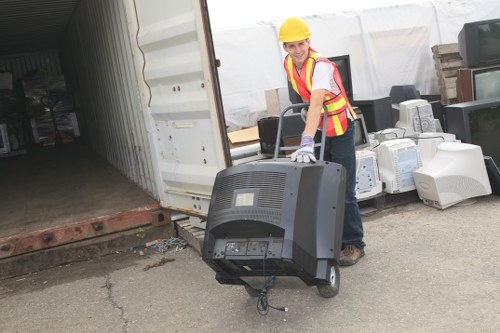
We work closely with nearby transfer hubs and processing centres to ensure materials enter the correct recycling stream. Typical destinations include borough transfer stations and regional facilities such as the local household waste transfer facility and West London consolidation points. By routing glass, metal, wood and cardboard to appropriate transfer stations, our team supports the circular economy and helps create a true sustainable rubbish area across the neighbourhood.Our logistics map is optimised to reduce double handling. Items intended for reuse or charitable redistribution are taken to vetted community hubs and reuse centres; recyclable loads go direct to material recovery facilities. For materials that require specialist handling — electronics, mattresses, plasterboard — we use licensed processors to ensure compliance with environmental regulations and to minimise landfill dependence.
We also employ a clear pickup hierarchy during each job:
- Reuse first — items suitable for donation or repair
- Recycle second — segregated dry recyclables and wood
- Recover or safe disposal — for non-recyclable residual waste)
Partnerships with charities and community reusers
Strong local partnerships are at the heart of our sustainability work. We collaborate with charities and social enterprises to ensure items in good condition find new homes rather than being shredded or landfilled. Typical partners include national and local groups such as Salvation Army, Emmaus, and smaller Notting Hill-based community projects. These partnerships enable direct donations of furniture, clothing and householdware, supporting vulnerable residents and reducing the carbon footprint associated with producing new goods.When a piece of furniture is suitable for reuse we perform light repairs in partnership workshops or send it straight to charity shops and social enterprises. This not only benefits the charities and their beneficiaries but also forms part of a documented chain of custody that helps us report on reuse rates versus recycling, aiding transparency and continual improvement.
We publish regular internal reports showing progress towards our environmental goals, including waste tonnages diverted, reuse figures and the percentage of materials sent to authorised transfer stations. This data-driven approach allows Flat Clearance Notting Hill to be accountable and to innovate, for example by increasing donation routes or investing in better on-site sorting kits.

Low-carbon vans and greener transport
Our fleet is a practical expression of our sustainability commitments. We use a mix of electric vans, hybrids and Euro 6 low-emission vehicles to reduce CO2 and NOx emissions around the borough. For dense Notting Hill streets and conservation areas we prioritise electric vehicles where route charging and access permits allow, cutting noise and pollution during collections. These low-carbon vans are part of our promise to deliver an eco-friendly flat clearance Notting Hill service with a small local carbon footprint.Route planning software minimises empty mileage and coordinates visits to transfer stations and charity partners in a single optimized tour. Fewer trips, combined with an eco-aware fleet, means every clearance contributes less to traffic-related emissions and helps maintain cleaner air in central London neighbourhoods.
Drivers and operatives receive training in eco-driving techniques, lightweight packing and safe handling to maximise load capacity, which further reduces the number of journeys needed per job. These operational changes are small but impactful when aggregated across our weekly schedule of clearances.
Making Notting Hill's rubbish areas sustainable and community-focused
The ambition behind our services is simple: transform the way flat clearance in Notting Hill interacts with waste systems. We prioritise reuse, work with local transfer stations and charities, and use low-emission vehicles to build a true sustainable rubbish area that serves residents and the environment. Whether you require a full flat removal, a one-off junk clearance or a clearance prior to a tenancy change, our green-first philosophy ensures the job supports local recycling goals and community needs.By combining a recycling percentage target, verified transfer station routing, charity partnerships and a low-carbon fleet, Flat Clearance Notting Hill aims to be the standard-bearer for eco-conscious clearance in the area. Our commitment is continuous improvement: we adapt to borough waste separation policies, expand reuse networks, and upgrade our fleet to remain a genuinely green option for Notting Hill residents.
We welcome collaboration with community groups and waste authorities to refine practices and raise local recycling rates. Together, we can create an efficient, resource-conscious approach to clearances that keeps Notting Hill cleaner, greener and more socially responsible.