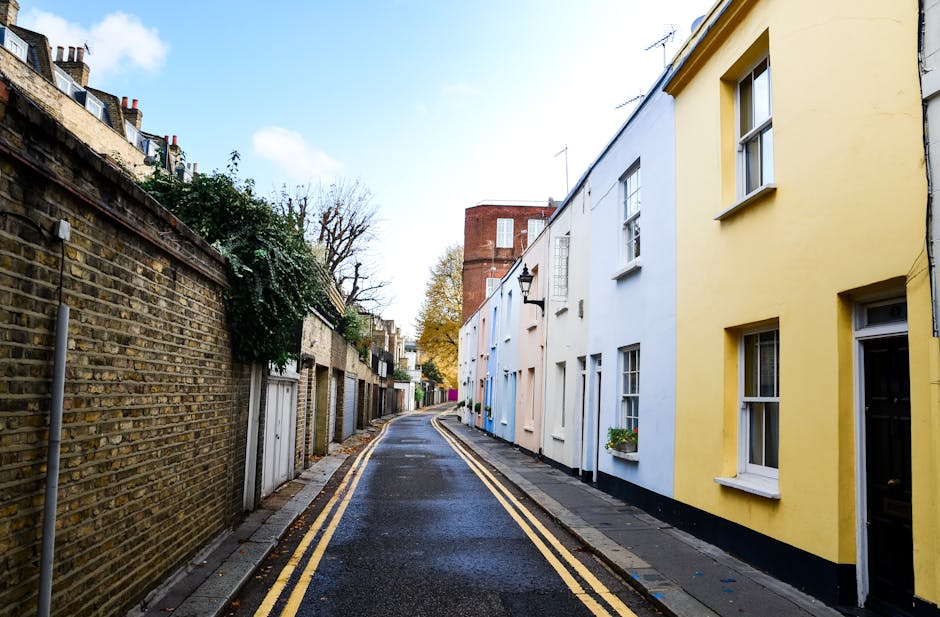
Notting Hill rubbish clearance on narrow streets: practical, careful, local-friendly advice
If you have ever tried to move a sofa, builder's rubble, or a few overfilled black bags along a tight Notting Hill mews, you already know the problem. Narrow streets, parked cars, basement steps, awkward corners, and busy foot traffic can turn a simple clearance into a small logistical puzzle. That is exactly why Notting Hill rubbish clearance on narrow streets needs a smarter approach than a standard "load it and go" job.
This guide breaks down how it works, what to expect, and how to plan a clearance that is safe, efficient, and considerate to neighbours. Whether you are clearing a flat, a house, an office, or a one-off bulky item, the right method saves time, avoids headaches, and usually makes the whole thing feel far less chaotic than it first appears. Truth be told, a good clearance on a tight street is often about preparation more than muscle.
Below, you will find a step-by-step explanation, local practical advice, common mistakes, and a useful checklist you can use before booking. We will also look at compliance, access issues, and the little details that matter in a place like Notting Hill, where a van stopping in the wrong spot can be enough to block half the road. It happens.
- Why it matters
- How it works
- Key benefits
- Who needs this service
- Step-by-step guidance
- Expert tips
- Common mistakes to avoid
- Tools, resources and recommendations
- Law, compliance and best practice
- Options and comparison
- Case study
- Practical checklist
- Conclusion
- Frequently asked questions
Why Notting Hill rubbish clearance on narrow streets Matters
Notting Hill is beautiful, but let's face it, beauty and convenience do not always sit together. The area's narrower residential roads, basement entrances, terrace layouts, mews properties, and on-street parking all make waste removal more complicated than in a modern estate or open commercial yard. A clearance that would be straightforward elsewhere can become slow or risky here if it is not planned properly.
The real issue is access. A rubbish clearance team may have to carry items a longer distance, work around limited parking, or split a load into smaller movements so that residents and traffic can still pass. That changes the pace, the equipment used, and sometimes even the order in which items are removed. In a practical sense, clearance is not just about taking waste away. It is about doing it without creating a bigger problem outside your front door.
This matters for several reasons:
- Safety: awkward lifts, tight stairwells, and kerbs increase the chance of accidents.
- Neighbour relations: blocked pavements, noise, and long delays can frustrate people nearby.
- Time: narrow access often means more manual carrying and more careful loading.
- Cost: the easier the access, the more efficient the job usually is.
- Compliance: waste still needs to be handled responsibly, regardless of how hard it is to reach.
There is also a subtle local reality in Notting Hill: many properties contain a mix of old and new layouts. You might have a Victorian staircase, a basement flat, a rear alley, and a road that barely allows two vehicles to pass. That combination can make a normal clearance feel surprisingly technical. The good news? With the right method, it is completely manageable.
Expert summary: On narrow Notting Hill streets, the best rubbish clearance is usually the one that is planned around access first and waste second. If the route in and out is sorted, the rest tends to follow much more smoothly.
How Notting Hill rubbish clearance on narrow streets Works
A well-run clearance on a narrow street starts before anyone lifts a bag. The team should assess access, identify loading points, check the type of waste, and decide how to move items safely without causing disruption. Sometimes that is done from the pavement. Sometimes from a rear mews entrance. And sometimes, to be fair, it means carrying things one by one down an awkward stairwell because that is simply the safest way.
In practice, the process often looks like this:
- Initial assessment: What needs removing, how much space is available, and what access constraints exist?
- Planning the approach: Where can the vehicle stop, how far is the carry distance, and do items need to be dismantled first?
- Manual loading: Items are moved carefully to the vehicle, often in smaller loads to avoid blocking the street.
- Sorting and segregation: Reusable, recyclable, and non-recyclable items are separated where possible.
- Responsible disposal: Waste is taken to the appropriate facility or transfer point, depending on the material.
That sounds simple, but the details matter. For example, a bulky wardrobe may need to be taken apart before it is moved. A broken fridge requires careful handling because of its weight and components. A pile of mixed household rubbish might be light but awkward if it has been left in leaking bags. One small misstep can slow the whole job.
On narrow streets, timing matters too. Early mornings can be quieter, but they may also coincide with school runs or bin collections. Midday may offer better visibility and more room, but busier traffic. A sensible clearance plan takes the local rhythm into account. Not every street has the same best time, which sounds obvious until you are standing there, half a wheelie bin in, wondering why you chose that hour.
For some jobs, it may also make sense to combine a clearance with a related service such as flat clearance, house clearance, or furniture clearance, depending on what needs removing and how the property is laid out. If the waste includes mixed domestic items, a broader waste removal approach may be the simplest route.
Key Benefits and Practical Advantages
There is a reason people seek out specialists for tight-access clearances rather than trying to do it all themselves. The main benefits are not glamorous, but they are real. And often, they are what save the day.
- Less disruption: The job can be completed with less blocking of entrances, pavements, and passing traffic.
- Safer handling: Professional lifting and carrying reduce the risk of injury or damage.
- Better route planning: A crew that understands access constraints can choose the most practical path.
- Speed: Even if the job is manual, an experienced team usually works far more efficiently.
- Cleaner finish: Good clearance means less leftover debris, fewer missed items, and a tidier space.
- More flexibility: Narrow streets often require adaptation. A proper clearance team can adapt without drama.
There is a hidden benefit too: peace of mind. When the waste is out, the hallway is clear, and the van has gone without upsetting the whole street, the property suddenly feels lighter. People underestimate that part. A messy flat can weigh on you more than you realise.
For homeowners, landlords, and managing agents, a careful clearance can also help protect common areas. That matters in buildings where shared entrances, staircases, and courtyards are already used heavily. One careless removal can scratch walls, chip plaster, or leave smudges on a clean landing. Better to prevent that than apologise later.
Who This Is For and When It Makes Sense
This kind of clearance is relevant to a wide range of people. If your property is easy to access, standard rubbish removal might be enough. But if you are dealing with a compact street, a mews, a basement, or a building with difficult stair access, you are squarely in the target group.
Typical situations include:
- End-of-tenancy clearances in flats with tight stairwells
- Moving out of a mews property with limited vehicle access
- Clearing bulky furniture from period homes
- Removing renovation waste from properties on busy residential streets
- Decluttering a loft, garage, or basement in a hard-to-reach home
- Preparing a rental property for new tenants quickly
- Clearing business premises or small offices where access is awkward
If you have ever tried to move a mattress through a narrow hallway while someone politely says, "Sorry, just squeezing past," you will understand why access planning is not a small detail. It is the job.
For domestic projects, services like home clearance, loft clearance, garage clearance, and garden clearance can be useful depending on where the waste is coming from. If the job is more office-based, office clearance may be the closer fit.
A clearance also makes sense when you need speed and discretion. Maybe a tenant has left items behind, or a property needs to be turned around between lettings. Maybe you are dealing with a last-minute situation before visitors arrive. Whatever the reason, the narrow street itself is often the deciding factor that changes a routine job into a specialist one.
Step-by-Step Guidance
If you want a smooth clearance on a narrow Notting Hill street, good preparation makes all the difference. Here is a practical way to think about it.
1. Identify everything that needs to go
Walk through the property with a simple question in mind: what is waste, what is recyclable, and what might still be usable? That initial sort can save time later. It also helps avoid accidental disposal of something important, which happens more often than people like to admit.
2. Measure or estimate access
Check stair width, hallway turns, door frames, basement steps, and the distance from the property to where a vehicle can legally and safely stop. If there are tight corners or steep steps, note them. Even rough measurements help. The clearer the picture, the easier the plan.
3. Separate awkward items early
Large furniture, appliances, mirrors, and bags of mixed waste should be set aside first. This lets the team decide whether dismantling is needed. A wardrobe that looks harmless in the corner can become a complete nuisance once it reaches the staircase. A bit dramatic, but true.
4. Choose the right removal method
Depending on the load, the job may call for full clearance, hand loading, partial dismantling, or staged removal. If there are larger or heavier items, the team may use protective equipment, dollies, or other handling aids. The key is not speed for its own sake. The key is control.
5. Keep the route clear
Before the crew arrives, make sure doors, gates, and passageways are open where possible. Move small valuables, fragile items, and everyday essentials out of the way. If the path from the flat to the vehicle is cluttered, every extra obstacle slows the work and increases the chance of damage.
6. Plan for neighbours and building rules
If you live in a shared building or managed block, let people know if access will be affected. Small courtesies matter here. A brief heads-up can reduce complaints and prevent misunderstandings. In Notting Hill, where many streets are close-knit and people notice things, that goes a long way.
7. Confirm disposal and recycling approach
Once the waste is loaded, it should be taken to the appropriate destination. Mixed waste, recyclable materials, reusable furniture, and specialist items may all need different handling. If you have items like appliances, consider dedicated services such as fridge and appliance removal or mattress and sofa disposal where appropriate.
Expert Tips for Better Results
Here are the little things that make a big difference. Not always glamorous, but very useful.
- Book with access in mind, not just volume. Two jobs with the same amount of waste can take very different amounts of time if one is on a wide road and the other is down a narrow mews.
- Take photos of awkward items before collection. This helps with planning and avoids surprises on the day.
- Clear the route before the crew arrives. Shoes, bins, bikes, prams, and random hallway clutter can slow things down surprisingly fast.
- Disassemble where sensible. Flat-pack furniture, bed frames, and shelving often move better in parts.
- Protect floors and corners. A bit of cardboard, blanket protection, or careful handling can prevent scuffs in older buildings.
- Be honest about access. If the van cannot stop right outside, say so early. Nobody enjoys a late discovery.
One practical tip that people overlook: choose your clearance time with street activity in mind. On a lively road, a 20-minute delay can become 40 minutes if delivery vans, pedestrians, or resident parking create a bottleneck. A quiet window in the day can make the whole thing feel almost calm. Almost.
Another good habit is to separate anything with reuse value before the clearance starts. Useful furniture, working appliances, and clean household items may be handled differently from general rubbish. That can reduce waste and, in many cases, keep the job neater. For people trying to dispose of larger items responsibly, recycling and sustainability is worth keeping in mind.
Common Mistakes to Avoid
Most problems on narrow streets come from a handful of repeat mistakes. Avoid these, and you are already ahead.
- Assuming a standard van will fit anywhere. Not every road allows easy stopping or turning.
- Leaving the route blocked with small items. A pile of bags by the door may seem harmless until someone trips over it.
- Not checking for basement or rear access. Sometimes the best route is not the front door at all.
- Forgetting about parking and loading constraints. The best plan on paper can fall apart if the vehicle cannot pause safely.
- Mixing hazardous or specialist waste with general rubbish. This creates handling and disposal issues.
- Waiting until the last minute. Last-minute bookings on tight streets are possible, but they are rarely the smoothest option.
There is also the classic mistake of underestimating how heavy "just a few items" can be. A sofa, two wardrobes, and a broken chest of drawers are never "just a few items" once you start carrying them down narrow stairs. Your back knows the truth immediately.
If the clearance involves damaged electricals, chemicals, paint, batteries, or anything else that could be treated as specialist material, it should be handled separately. That is where a service such as hazardous waste disposal may be relevant, depending on the exact items involved.
Tools, Resources and Recommendations
You do not need a warehouse full of equipment to manage a narrow-street clearance well, but a few practical tools and habits make life easier.
| Item or resource | Why it helps | Best used for |
|---|---|---|
| Heavy-duty gloves | Improves grip and protects hands during lifting | Bags, rough edges, mixed items |
| Furniture straps or lifting aids | Makes bulky items easier to control | Sofas, wardrobes, mattresses |
| Protective covers | Reduces scuffs to floors and walls | Shared hallways, tight staircases |
| Clear labels or tape | Helps separate keep, recycle, and remove piles | Pre-sorting before collection |
| Mobile photos of access points | Helps plan the route in advance | Awkward flats, basement entries, rear access |
| Online booking or quote form | Saves time and makes the booking process easier | Simple planning and price checks |
For many readers, the most useful resource is not a tool but a clear pricing and service explanation. If you are comparing options, a page like pricing and quotes can help you understand what affects the cost, while book online is a sensible option when the job is straightforward and you want to move quickly.
If your clearance includes business waste, confidential paperwork, or office furnishings, relevant specialist pages such as business waste removal and confidential shredding may also be useful. That said, use only what fits the job. No need to complicate things for the sake of it.
Law, Compliance, Standards, or Best Practice
Waste clearance in the UK should be handled carefully and responsibly. The exact rules and duties depend on the type of waste, who is removing it, and where it is being taken. Rather than trying to turn this into a legal lecture, here is the practical version: use a provider that handles waste responsibly, keeps to good safety practice, and deals properly with recycling or disposal routes.
For narrow streets, compliance is not only about the waste itself. It also includes safe lifting, careful movement in shared spaces, and consideration for public access. If the clearance team is working near parked cars, pavements, or entrances, they should do so without creating avoidable hazards. That is basic best practice, but it is worth saying because tight streets make shortcuts more tempting.
Useful standards of behaviour include:
- Not blocking access longer than necessary
- Keeping noise and disruption to a minimum where possible
- Separating specialist materials from general rubbish
- Using appropriate handling methods for heavy or awkward items
- Protecting communal areas and leaving the site tidy
If the job involves appliances, bulky furniture, or mixed domestic waste, ask how those items will be dealt with. Reputable providers should be able to explain the process without hand-waving. If they cannot, that is a small warning sign. Not a disaster, just something to notice.
For people looking at broader removal services, the site's insurance and safety information and health and safety policy are sensible reference points. They help set expectations around how work should be carried out, especially in tight-access locations.
Options, Methods, or Comparison Table
There is more than one way to handle clearance on a narrow street. The right option depends on what you are removing, how much space you have, and how urgent the job is.
| Method | Best for | Pros | Trade-offs |
|---|---|---|---|
| Manual rubbish clearance | Small to medium loads with awkward access | Flexible, precise, suitable for tight streets | Can take longer if carry distance is far |
| Full property clearance | Homes, flats, and larger mixed loads | Efficient for bigger projects, fewer repeat visits | Needs stronger planning and more labour |
| Furniture-focused removal | Sofas, beds, wardrobes, tables | Good for bulky single items | May need dismantling or extra care on staircases |
| Appliance-specific removal | Fridges, washers, cookers, and similar items | Safer for heavy or awkward items | Special handling may be required |
| Mixed waste removal | General household or tenancy waste | Simple, flexible, convenient | Sorting may be needed for recycling or specialist items |
For a lot of Notting Hill properties, manual clearance wins simply because the street layout demands it. A vehicle may still be used, of course, but the last stretch is often on foot. That is the part people forget when they compare options. The van is not the whole story.
If you are dealing with larger items that have to be handled carefully, related services like builders waste clearance and what can go in a skip can also help you think through what is suitable for removal and what should be separated in advance.
Case Study or Real-World Example
Here is a realistic example from the sort of job people often underestimate.
A tenant leaves a one-bedroom flat off a narrow Notting Hill side street with a sofa, a dismantled bed frame, two chairs, several bin bags, and a broken shelving unit. The building has a steep staircase, a shared hallway, and no obvious space for a vehicle to wait outside for long. On paper, it sounds like a small job. In practice, the access is the real challenge.
The sensible approach is to clear the hallway first, then remove the smaller bags, then dismantle the bulky furniture further if needed. The crew would likely work in stages, keeping the route open and avoiding pile-ups near the entrance. If the street is busy, they may position the vehicle as close as safely possible, then hand-carry the load in short runs. That means more trips, yes, but fewer delays and less risk of blocking neighbours.
The result is usually a smoother finish than trying to force everything through in one rush. The flat is emptied, the hallway remains protected, and the street is not left looking like a temporary storage yard. Small win, but a meaningful one.
That kind of outcome is exactly why local experience matters. A team that understands Notting Hill's tighter roads and property layouts can often solve problems before they become visible. You notice it in the little things: the route chosen, the pace of loading, the care around the door frame, the calm way the job gets done.
Practical Checklist
Use this checklist before your clearance. It keeps the job simple, and simple is good.
- List every item that needs removing
- Separate keep, recycle, donate, and remove piles
- Measure doorways, stairwells, and access points if anything looks tight
- Check if there is basement, rear, or mews access
- Make sure the route to the door is clear
- Move fragile or valuable items out of the way
- Identify anything that may need specialist handling
- Think about parking and loading space for the vehicle
- Tell neighbours or building management if access may be affected
- Ask about disposal and recycling arrangements
- Confirm timing, entry instructions, and any site rules
Quick takeaway: if the access looks awkward to you, it will probably be awkward on the day. Sharing that upfront makes the whole process much easier.
Conclusion
Notting Hill rubbish clearance on narrow streets is really about three things: planning, care, and local awareness. The waste itself is only half the task. The other half is moving it safely through a tight urban space without causing avoidable disruption. Once you understand that, the rest becomes much more manageable.
Whether you are clearing a flat, a house, a mews property, or a small business space, the smartest approach is to prepare the route, separate the waste, and choose a method that suits the street rather than fighting against it. That is how you avoid delays, reduce stress, and end up with a clean result that feels genuinely finished.
Get a free quote today and see how much you can save.
And if you are standing in a hallway wondering how all those bags and bits of furniture are going to disappear, take heart: with the right plan, they usually do, and the place can feel lighter by the end of the morning.
Frequently Asked Questions
How does rubbish clearance work on narrow streets in Notting Hill?
It usually starts with planning the access route, then moving items by hand or in smaller loads to a nearby vehicle. The key is to avoid blocking the street or damaging the property while keeping the job efficient.
Is narrow-street rubbish clearance more expensive?
It can be, depending on how much manual carrying is needed and how difficult parking or loading is. The cost often depends more on access and volume than on the postcode alone.
Can large furniture be removed from a basement flat?
Yes, but it may need dismantling or extra care to get through stairwells and doorways. Sofas, wardrobes, and bed frames are common examples where planning matters a lot.
Do I need to be home during the clearance?
Usually, yes, or you need to arrange access in another clear way. It helps if someone can confirm what stays and what goes, especially when the property contains mixed items.
What happens if the van cannot park right outside?
The crew may need to carry waste from a nearby stopping point. That is common on narrow Notting Hill streets, and it is usually manageable if the access details are shared in advance.
Can rubbish clearance include recycling?
Yes, many items can be separated for recycling depending on what they are and how they are presented. A good provider should handle this as part of the process rather than as an afterthought.
What should I do with fridges, mattresses, or sofas?
These are best treated as bulky specialist items. Services like appliance removal or mattress and sofa disposal are often the right fit because they need careful handling and suitable disposal routes.
How far in advance should I book?
As early as you can, especially if the property is on a difficult street or the job is time-sensitive. Last-minute clearances are possible, but planning usually gives you more flexibility.
Are there any items that need special handling?
Yes. Hazardous materials, certain electrical items, and anything that could create contamination or safety issues should be separated and discussed in advance. Do not leave those mixed in with general rubbish.
Will the clearance be noisy?
There will usually be some noise from moving items, but a careful team should work to keep disruption low. On narrow streets, that matters because sound can travel and neighbours are often close by.
What is the best way to prepare a flat for rubbish removal?
Sort the items, clear hallways, label anything that should stay, and make sure the route to the door is open. A little preparation usually saves more time than people expect.
Can I get rid of mixed waste and furniture in one visit?
Often, yes. Mixed domestic waste and bulky items are commonly cleared together, as long as specialist items are identified separately and access has been planned properly.